XGram is a smaller instant cryptocurrency exchange service built around a familiar wallet-to-wallet proposition: choose a pair, send the deposit, and receive the converted asset without maintaining a trading account. It belongs to the same broad category as ChangeNOW, SimpleSwap, Swapuz, and several lesser-known swap desks. The service is aimed at convenience rather than active trading. That immediately defines both its appeal and its limitations.
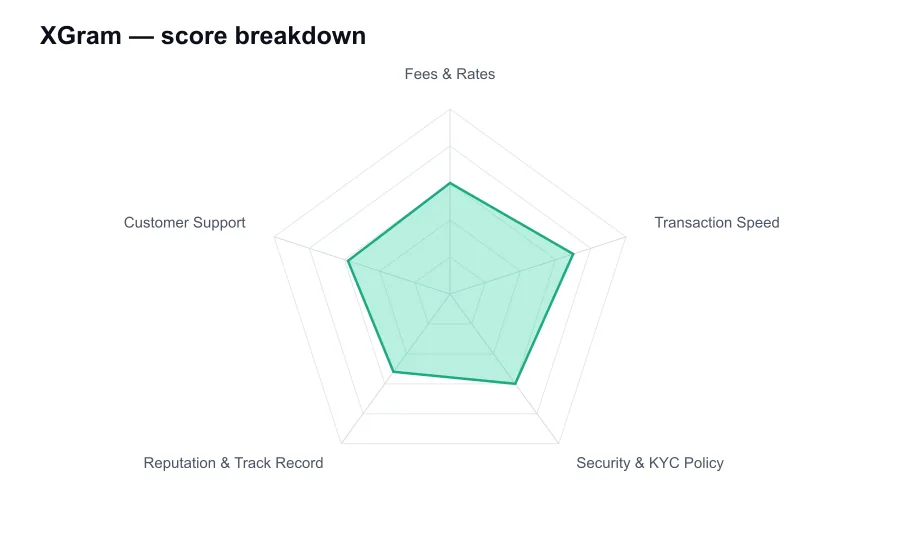
The first thing I would say about XGram is that its public profile is considerably lighter than the best-known services in the field. A light profile is not evidence of misconduct, and smaller providers can offer perfectly functional routes. It does mean the customer has less independent material to work with. There are fewer long-running discussions, fewer detailed third-party operational reports, and less of the accumulated public history that helps people judge how a company behaves when a transaction goes wrong.
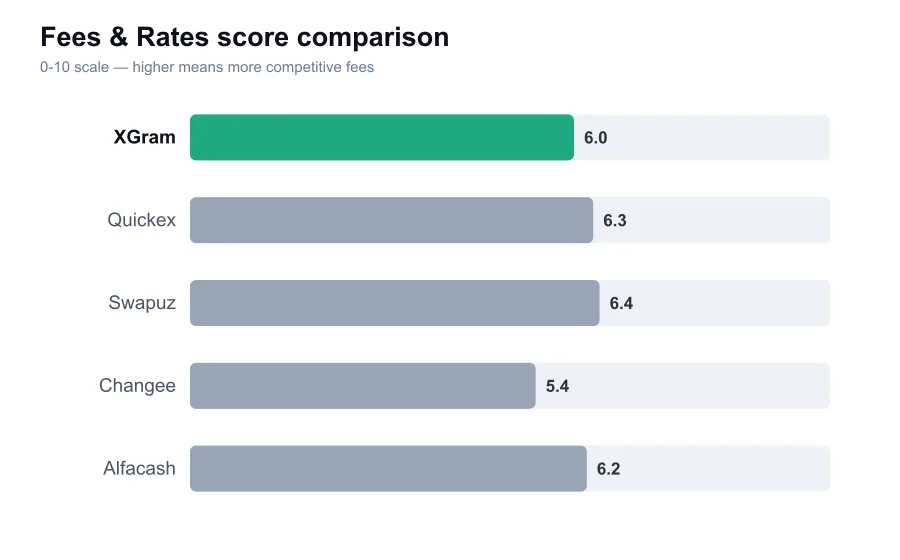
That makes quote quality especially important. XGram does not work like a conventional exchange with a visible maker-taker schedule and a deep public order book. The effective cost of a swap is reflected in the quote. It can include a liquidity spread, processing margin, and network cost. A user who sees a low apparent fee but receives a weak final amount has not found a cheap trade. The only number that really matters is the amount of the target asset arriving at the destination address.
This pricing model is normal for instant exchangers, but XGram gives users less reason to accept a quote without checking alternatives. Compare it with Trocador, where several providers can be viewed at once, or compare it manually with a major competitor and a centralized exchange. For common liquid pairs, XGram has to compete against many services that can source the same liquidity. For less common assets, the route may be useful, but spreads can widen sharply and minimums can become awkward.
The service is capable of being quick on standard transfers. Once a deposit receives the necessary confirmations, a straightforward conversion can be completed in minutes. Fast source networks, adequately funded transactions, and liquid pairs produce the best experience. This is the part people like about instant exchanges. There is no waiting for bank settlement, no transfer between multiple exchange accounts, and no need to manage an order book for a simple conversion.
But speed is conditional. Bitcoin congestion, Ethereum gas conditions, wallet software broadcasting a low-fee transaction, and a liquidity partner's internal processing can all turn a quick swap into a long wait. XGram cannot safely send the payout before it has enough confidence in the deposit. Any site that suggests blockchain conversion is always instant deserves skepticism. A realistic user plans for confirmations and avoids using a swap service for a payment deadline where a delay would be expensive.
XGram presents itself as an account-free service for routine use, which is one of its better features. You can generally start a conversion by supplying a receiving address instead of creating a profile, depositing collateral, or handing over a full identity file at the outset. For someone moving funds between their own wallets, that is convenient. It also reduces the amount of personal data sitting in another database.
The hard truth is that account-free does not mean rules-free. Instant exchange providers and their liquidity partners monitor transactions for sanctions exposure, fraud indicators, and other risk signals. A flagged transfer can be held while the customer is asked for evidence about the source of funds or identity. This possibility is not unique to XGram, but the practical impact is more serious at a smaller service because users have fewer public examples showing how quickly unusual cases are resolved.
The company is not a custodian in the normal exchange-account sense. It does not invite users to leave a permanent portfolio balance under management. Yet the funds are entrusted to the swap process after they are sent to the deposit address. That distinction matters. A non-custodial exchange flow reduces long-term platform exposure, but users still face counterparty risk during the swap. It is a better framing than claiming a service is completely trustless simply because it lacks login balances.
Security for the user begins before the deposit is sent. The biggest risks are often simple mistakes: using the wrong network for USDT or USDC, copying a maliciously replaced address, forgetting a destination tag for XRP, or choosing a token version that the route does not accept. XGram cannot undo every error. Users should verify the full address, inspect the network name, and use a small test amount when trying an unfamiliar asset or route.
Support is available through XGram's online channels, but it is not one of the platform's standout strengths. The right expectation is ticket or chat-based troubleshooting, not immediate phone escalation or a dedicated case manager. Routine swaps should not need help. The difficult question is what happens if a deposit is underpaid, sent late, or flagged. In those circumstances, send a clear message with the exchange identifier and transaction hash rather than a vague complaint, because support cannot investigate without chain-level details.
I would be particularly cautious with large transactions. That is not an accusation against XGram. It is a practical response to the absence of the deep, battle-tested reputation enjoyed by the most established brands. A small test confirms that the selected pair works, that the receiving wallet is correct, and that the service recognizes the deposit as expected. It does not eliminate risk, but it is cheap insurance against a bad address, a network mismatch, or a misunderstood limit.
XGram can still have a role for users who find a favorable route or need an asset that is inconvenient to obtain elsewhere. Smaller exchangers sometimes offer useful inventory niches, and a simple interface can be easier than a centralized exchange for a one-time conversion. I would not use that convenience as a reason to skip due diligence. Check the final payout, verify the exact chain, and do not let a promotional rate persuade you to send more than you can afford to have delayed.
The service is not a serious substitute for a trading venue. It has no reason to be. If you trade frequently, need limit orders, want auditable execution data, or move institutional-size sums, use a liquid exchange with an established compliance relationship and stronger support infrastructure. If you want to convert coins between personal wallets without registering an account, XGram is more relevant. Those are very different jobs, and judging it by the wrong one creates disappointment.
My opinion is restrained. XGram looks functional for ordinary, carefully checked wallet swaps, and the account-light model will appeal to privacy-conscious users. It does not yet have the public depth needed for me to recommend it ahead of better-established competitors for high-value transfers. Its rates may be good on individual routes, but rate shopping is mandatory because pricing is quote-based. Use it as a secondary option, test it first, and keep expectations realistic about support and compliance exceptions.